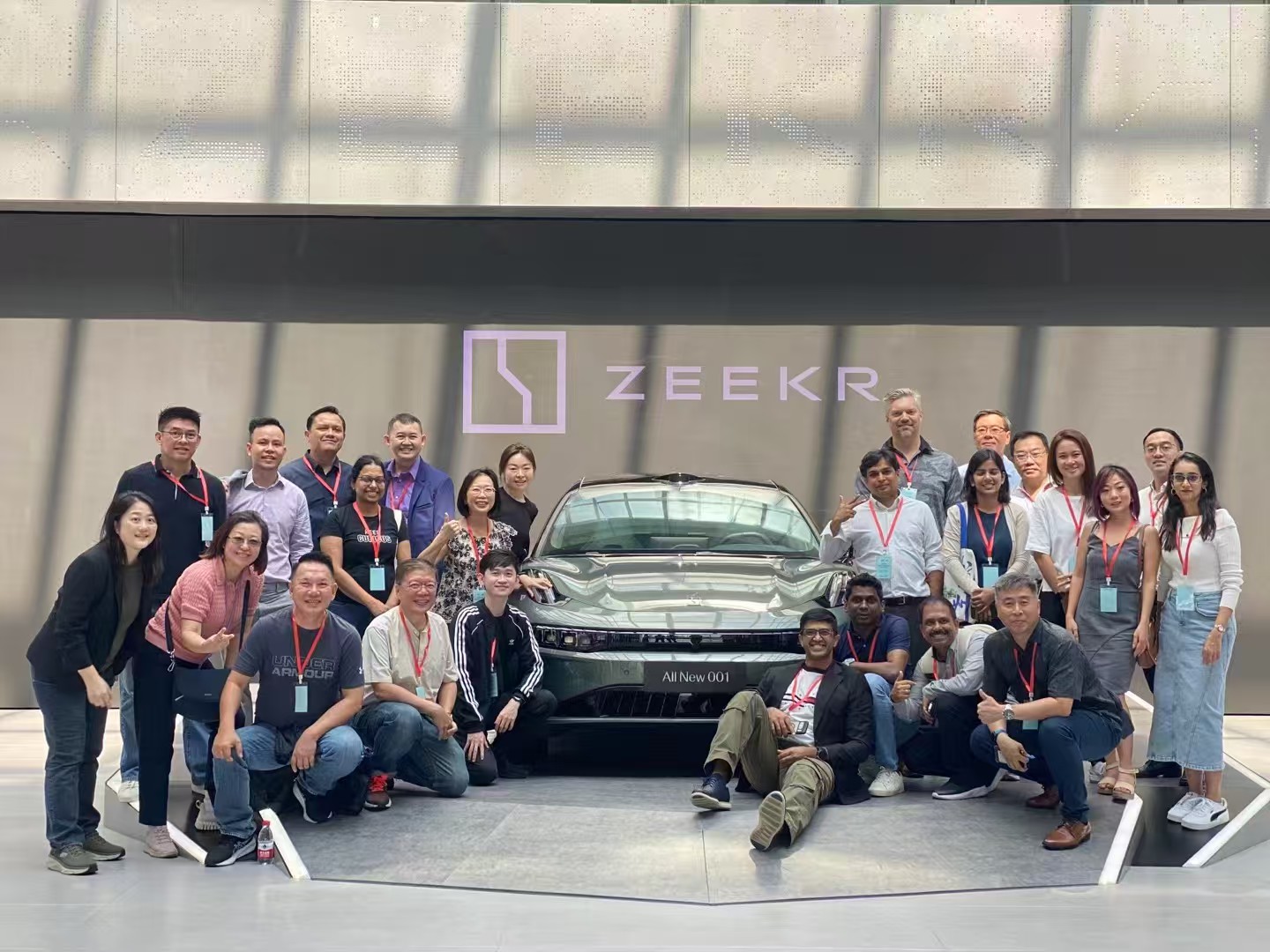
Blending the dual empowerment of AI and technological innovation, Hangzhou—boasting a millennium of cultural heritage and top-tier sci-tech prowess—has emerged as the premier destination for the mobile classroom of the Digital Leadership (MDL) programme by the Institute of Systems Science, National University of Singapore (NUS-ISS). This immersive case study journey, combining profound theoretical insights with practical value, fully exemplifies the city’s unique charm of "coexistence of tradition and innovation".
Hangzhou’s profound cultural roots lay a solid cultural foundation for the mobile classroom. From the jade cong of the Liangzhu Civilization, which carries a 5,000-year cultural legacy, to the glorious memories of Lin’an, the capital of the Southern Song Dynasty, and the poetic landscapes of the Ten Scenes of West Lake paired with the vibrant life along the Grand Canal, the city’s diverse cultural symbols endow it with not only the gentle elegance of being hailed as "Paradise on Earth" but also an inclusive and open spirit. It has thus become the most vivid "urban cultural sample" along the mobile classroom journey.
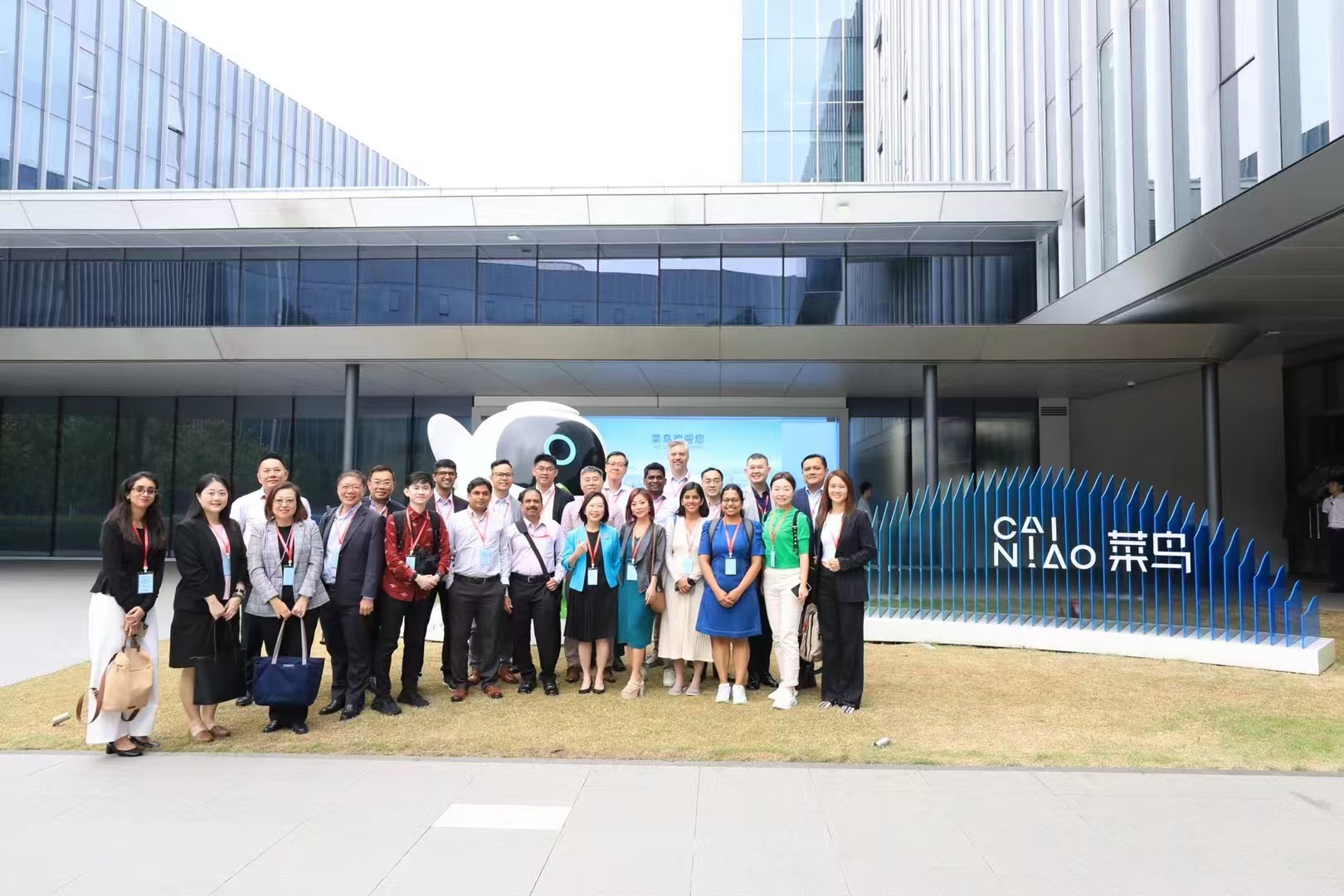
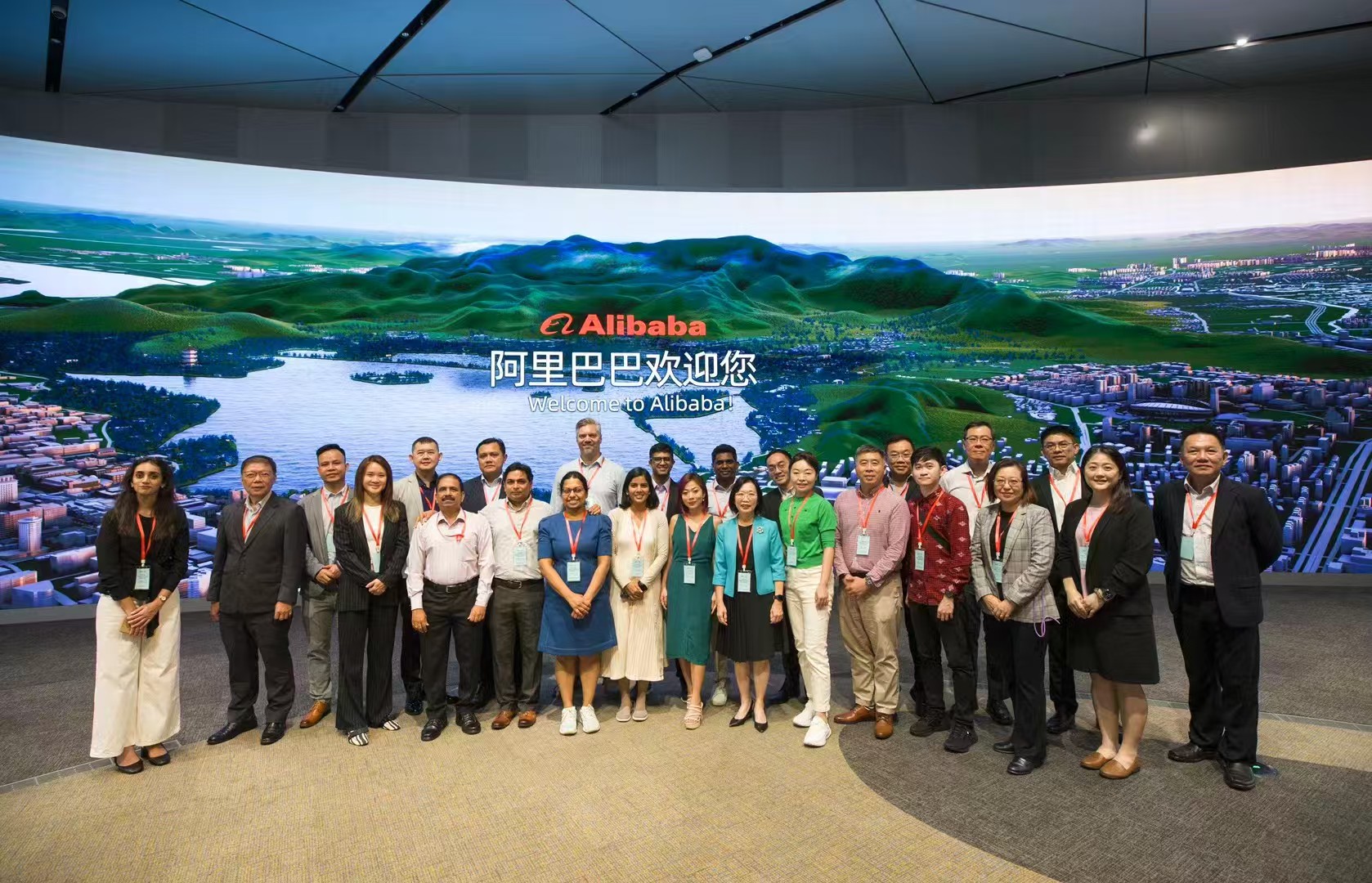
As a benchmark city for the digital economy, Hangzhou’s strong sci-tech capabilities provide robust support for this case-based teaching initiative. Participants of the NUS-ISS MDL programme delved into unlocking Hangzhou’s digital code through immersive learning experiences, visiting leading enterprises including Cainiao’s Smart Logistics Park (under Alibaba Group), Zeekr’s Future Factory (the new energy vehicle brand of Geely), and Hyperchain Technology (a leading service provider of blockchain and data element technologies). These visits covered core sectors such as smart logistics, intelligent manufacturing, and blockchain.
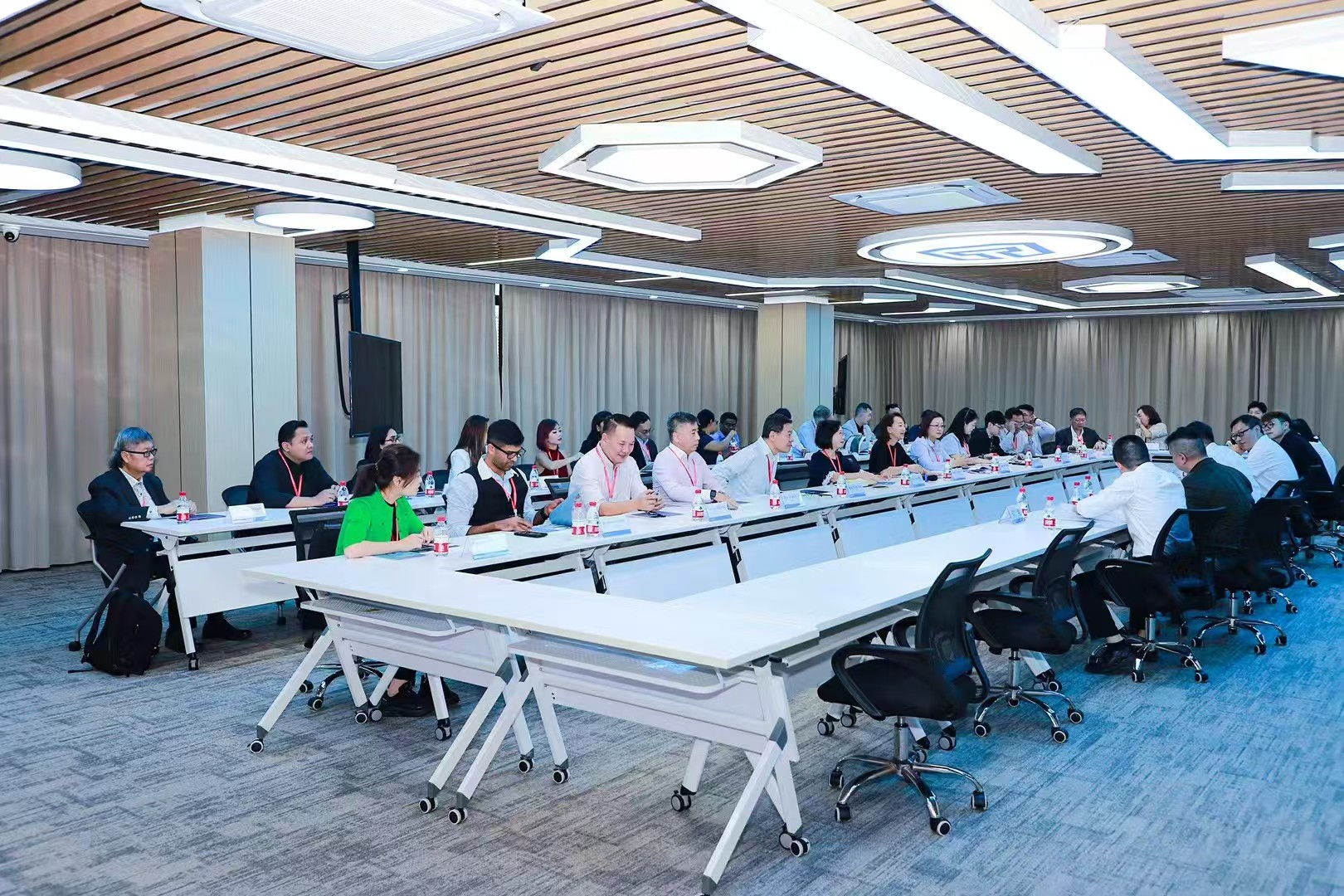
During the case studies of the mobile classroom, participants engaged in in-depth exchanges with these enterprises: they dissected the transformation logic of e-commerce and logistics driven by AI and big data, explored the digital implementation paths for intelligent connectivity and building a new model of future automobile factories, and uncovered the practical applications of blockchain technology in cybersecurity. Each exchange evolved into a pragmatic and forward-looking case study session.